NEW

CARBONACEOUS AEROSOL SPECIATION SYSTEM CASS

CASS
The New Way for Complete Carbonaceous Aerosol Speciation

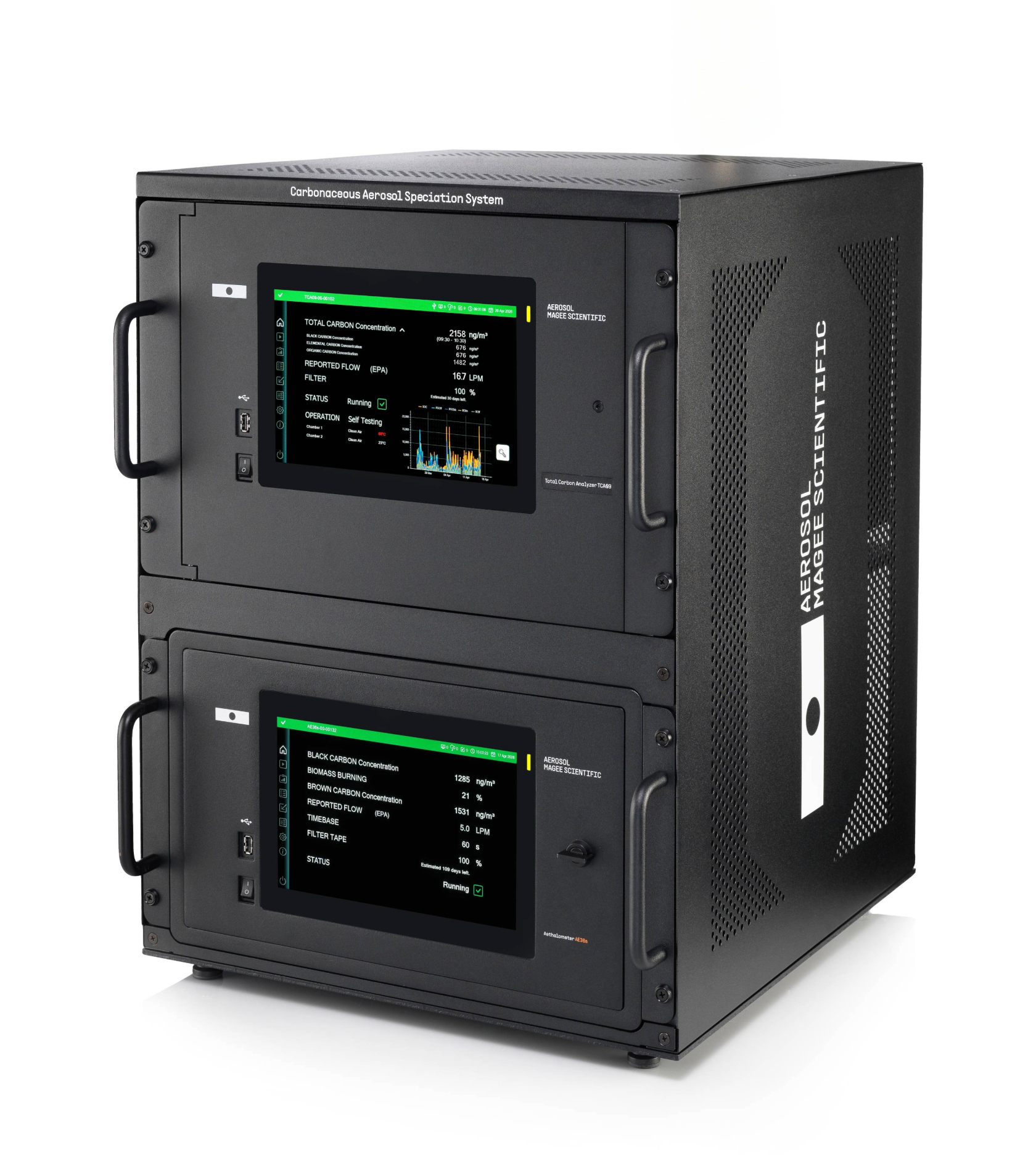
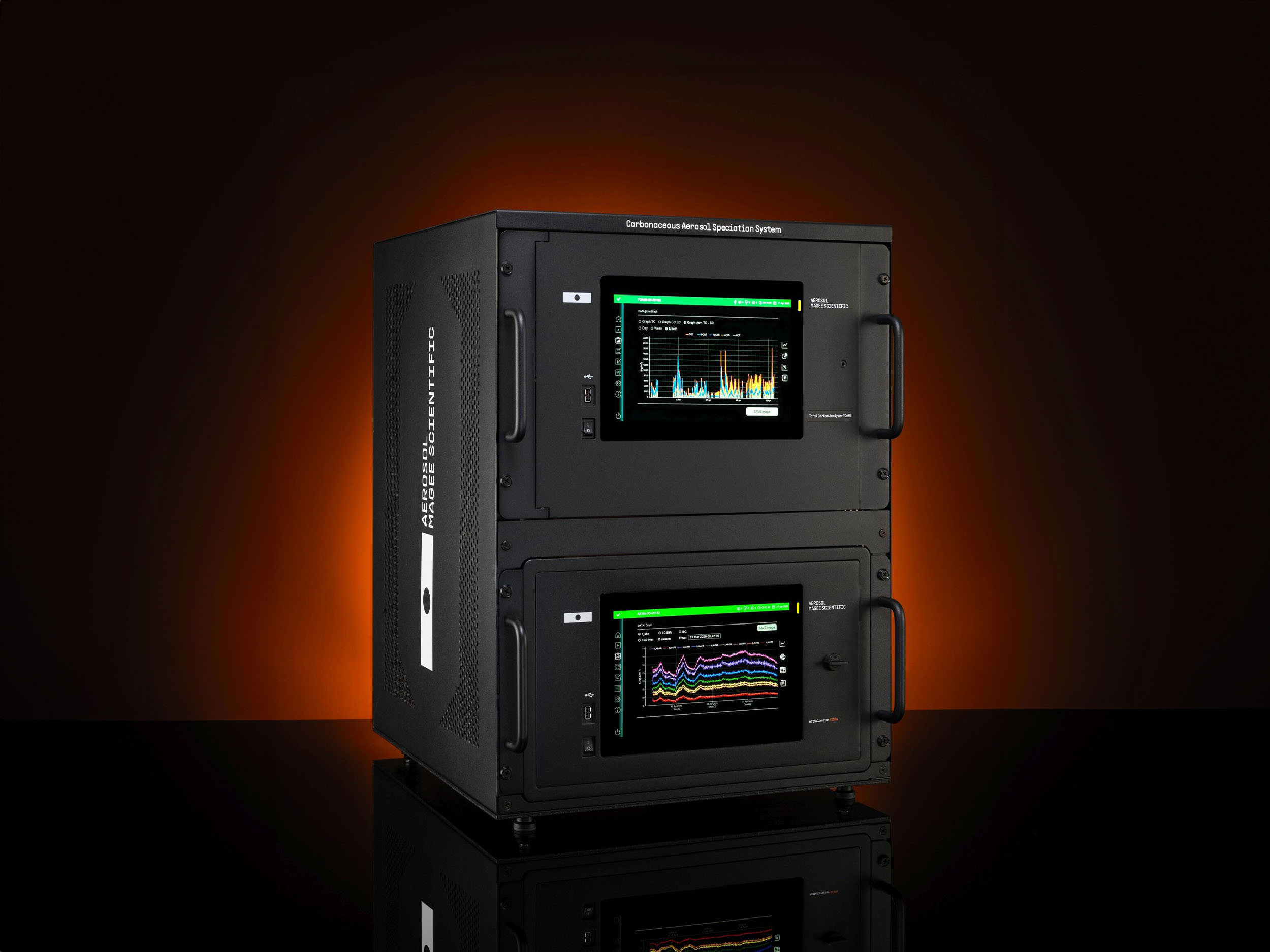
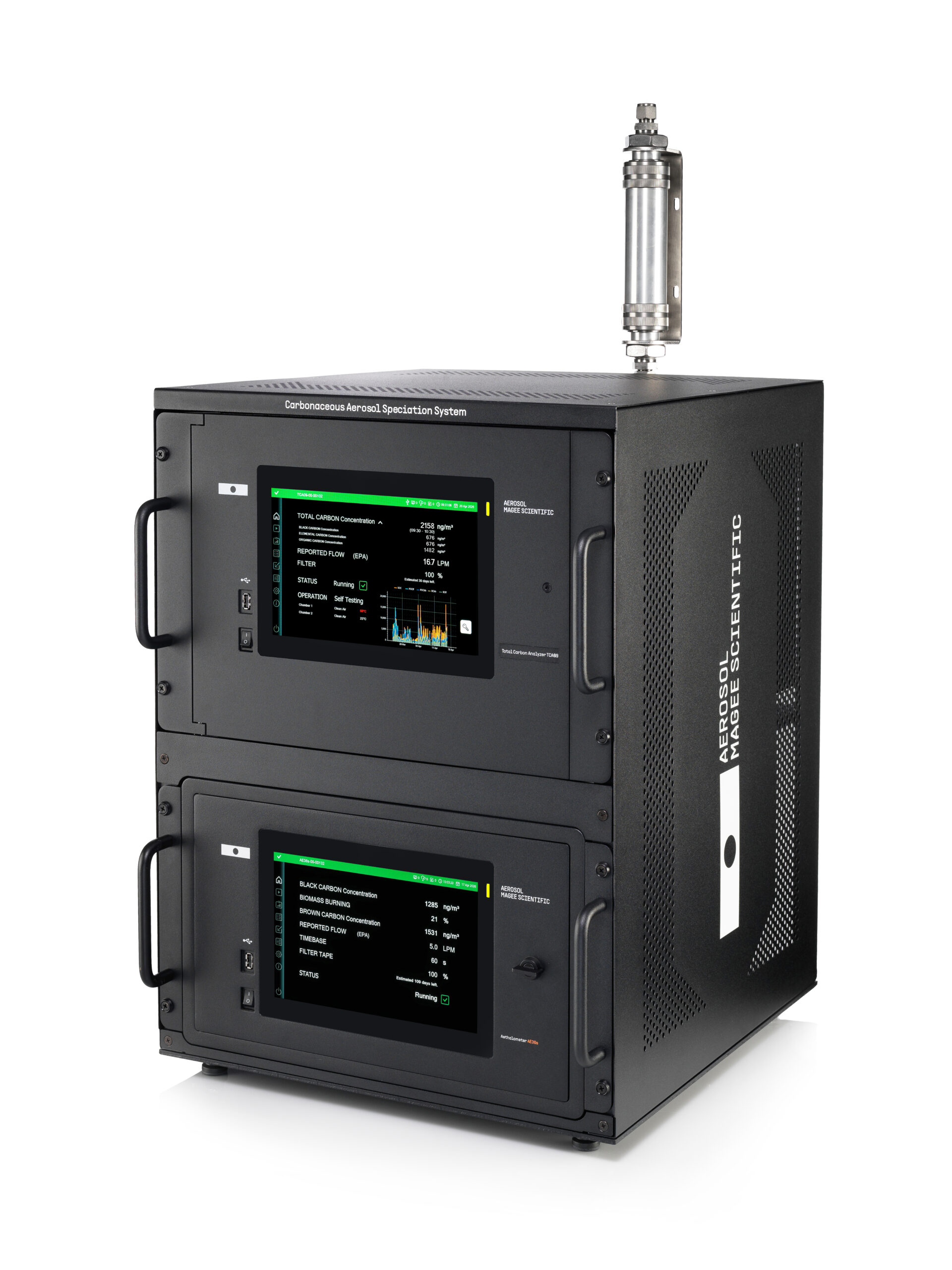
The new CASS combines Aethalometer AE36 or AE36s with the latest Total Carbon Analyzer TCA09. It represents the next generation in carbonaceous aerosol measurement. This integrated solution delivers unparalleled precision, compliance, and operational efficiency for air quality and climate research. CASS sets a new standard for carbonaceous aerosol monitoring - combining the analytical power of AE36/AE36s with the advanced automation and compliance of TCA09, all in a single, integrated system.

GOOD DATA. GOOD SCIENCE. GOOD POLICY.

COMPREHENSIVE & ACTIONABLE CARBONACEOUS AEROSOL INSIGHT

  • Advanced and comprehensive measurements
  • Unmatched data quality

EASY OPERATION & HIGH EFFICIENCY

  • Online operation
  • Easy to use and maintain
  • Improved usability
  • High operational efficiency
  • Requires minimal resources

FLEXIBILITY

  • Flexible deployment

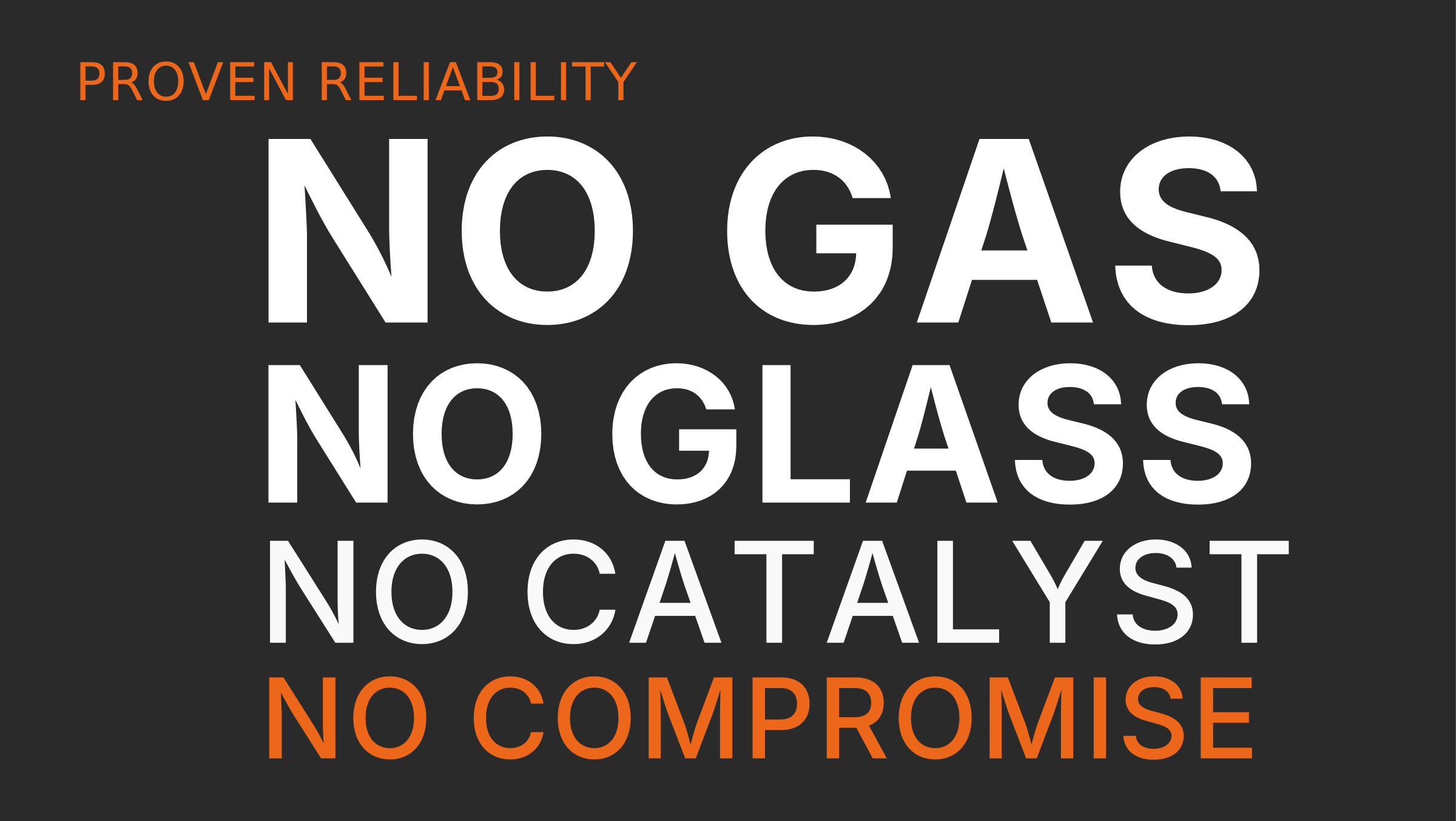
NO GAS. NO GLASS. NO COMPROMISE.

HOW IT WORKS?

The Science Behind CASS

Key features
Measurement principle

Key features

COMPREHENSIVE MEASUREMENTS & ANALYSIS

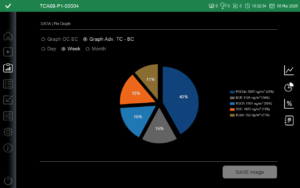
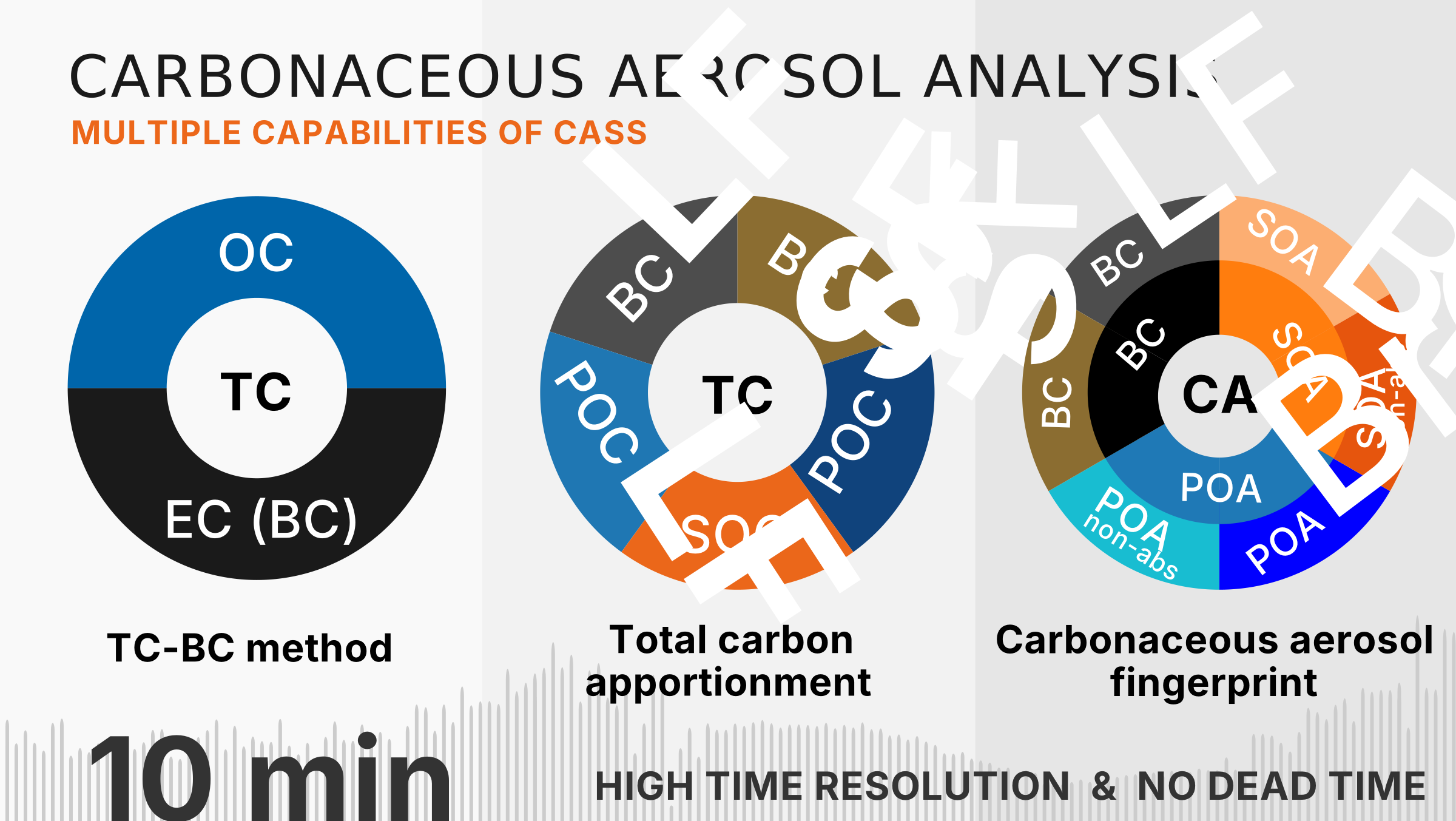
  • Complete carbonaceous aerosol fingerprint (CAF)
  • Determination of BC, BrC, TC, EC, POC, and SOC fractions
  • Source apportionment of solid and liquid fuels
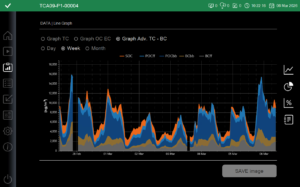
  • Advanced and customized charting

REAL‑TIME DATA & MEASUREMENT QUALITY

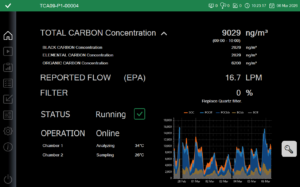
  • High time resolution
  • Real‑time data
  • DualSpot® technology
  • Automated Clean air test

ROBUST, AUTOMATED OPERATION

  • Ambient air as a carrier gas
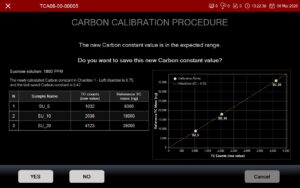
  • Automated calibration and validation
  • Low maintenance and robust operation
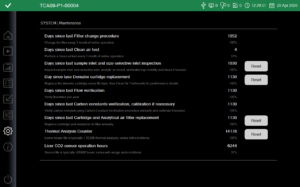
  • Advanced and easily accessible troubleshooting guides
  • Clear status descriptions

FLEXIBILITY & SYSTEM INTEGRATION

  • Flexible deployment
  • Integration with Aethalometer for OC/EC analysis
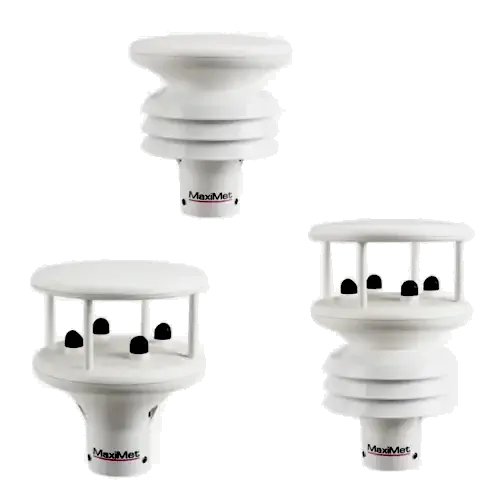
  • Future‑proof flexibility (AE33, AE36, AE36s, …)

Measurement principle

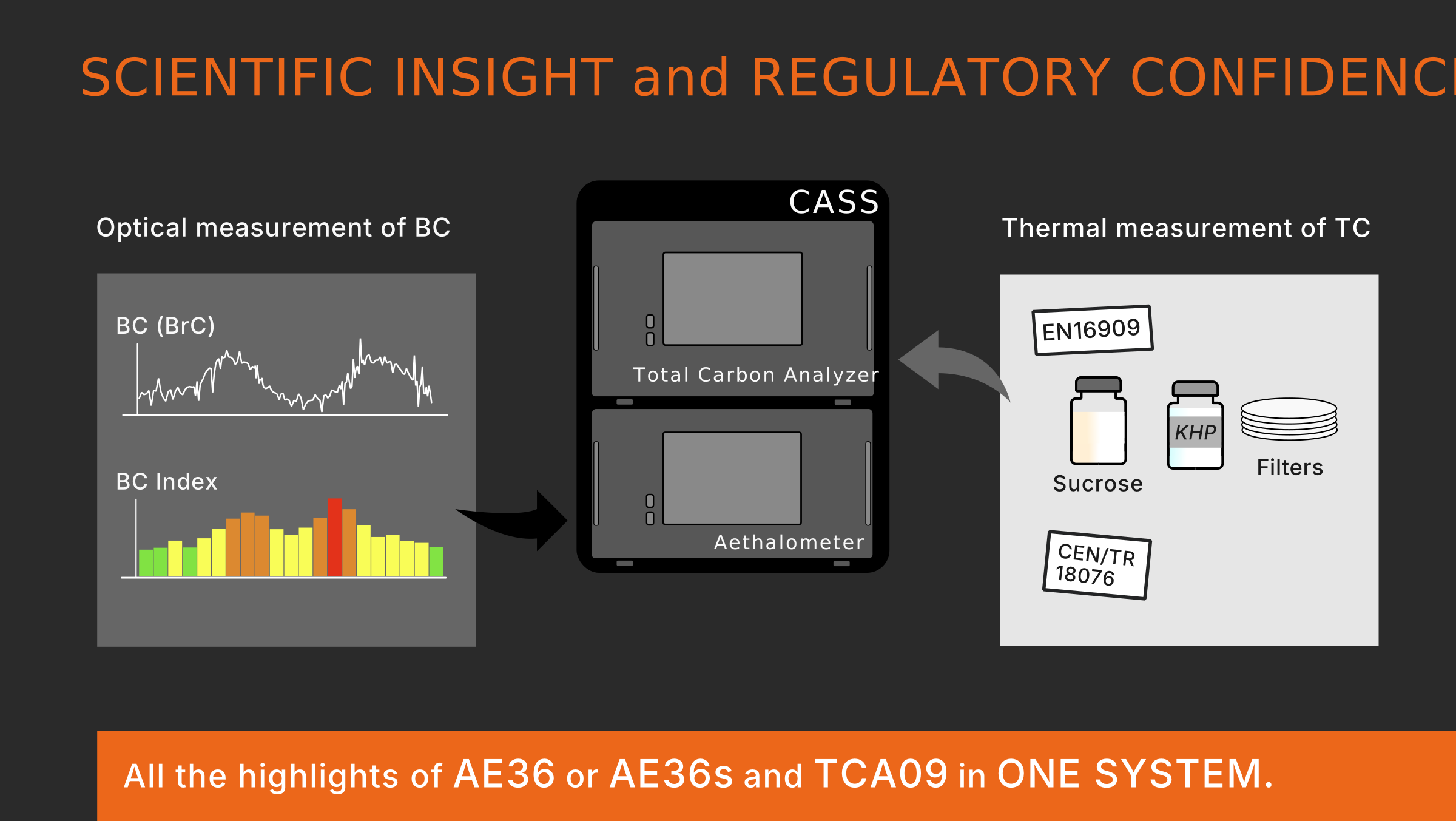
CASS integrates two instruments: the Total Carbon Analyzer TCA09 and an Aethalometer, operated in parallel within a single system.

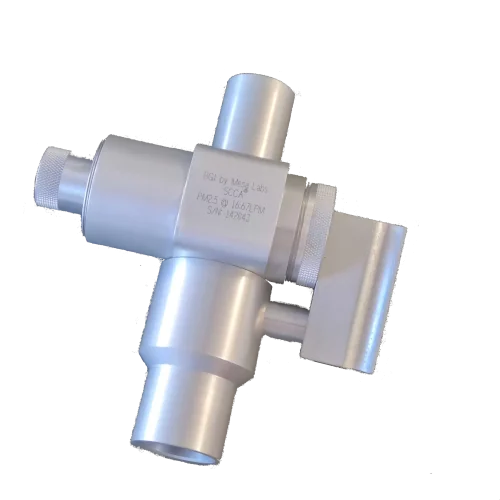
TCA09: Total Carbon (TC) measurement

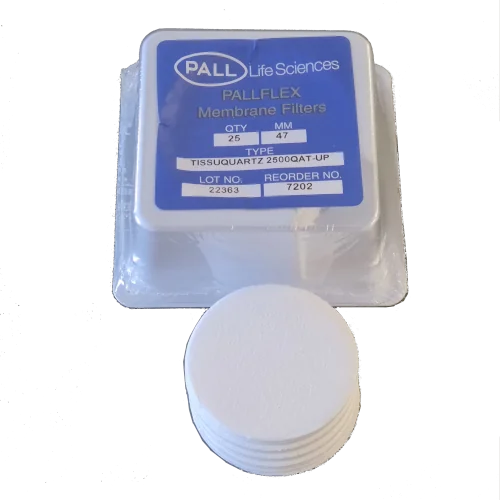
  • Aerosols are collected on a quartz fiber filter at a controlled flow rate of 16.7 L/min.
  • Sampling time is adjustable from 10 minutes to 24 hours, depending on
    aerosol concentration
  • Two parallel channels enable continuous operation: while one channel collects a new sample, the other analyzes the previous sample
  • Samples are flash-heated(1), converting all carbonaceous material to CO₂.
  • CO₂ is measured by an NDIR CO₂ detector, and the integrated signal provides Total Carbon (TC).
Aethalometer: black carbon (BC) measurement 
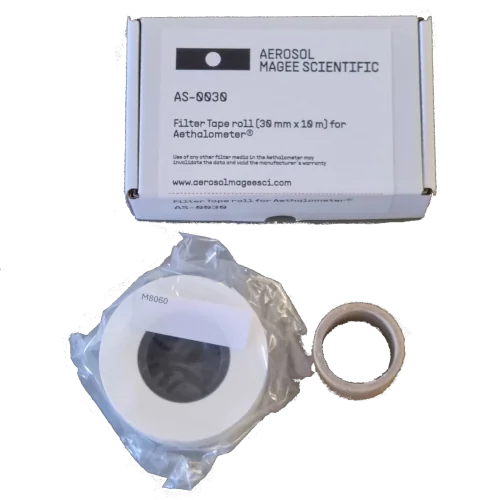
  • Aerosols are collected on a filter tape at 2–5 L/min.
  • Optical attenuation is measured at multiple wavelengths from near‑UV to near‑IR.
  • DualSpot technology is used for real-time filter loading compensation(2).
  • BC data are reported to TCA09 at 1‑second or 60‑second resolution in real-time.
CASS combines thermal and optical data(3) using: TC = BC (EC) + OC. This allows for the deduction of the OC (organic carbon) level on the same time base as the TC level.


(1) The heating chamber is covered by patents EP3832302, US2021164950 and other.
(2) The DualSpot technology is covered by two patent families: US8411272, EP2151679B1 and US9671324, EP2937680B1 and other.
(3) A device and method for complete carbonaceous aerosol analysis in real time is covered by patents EP4033242 and other.


CARBONACEOUS AEROSOL SPECIATION SYSTEM CASS

PRODUCT INFO

Information
Specifications
Documents
Publications
Accessories
CARBONACEOUS AEROSOL SPECIATION SYSTEM CASS

APPLICATIONS

Mine ventilation optimization

Mine ventilation optimization

Learn how black carbon monitoring supports ventilation efficiency and cost savings in deep underground mining operations.
FIND OUT MORE

Urban maps of black carbon pollution

Urban maps of black carbon pollution

Compare personal black carbon exposure across transport modes and routes using mobile mapping in urban environments.
FIND OUT MORE

Global black carbon pollution

Global black carbon pollution

See how ultra-light aircraft measured black carbon globally to assess hotspots and long-range transport patterns.
FIND OUT MORE

Forest fire black carbon pollution

Forest fire black carbon pollution

Understand the emission factors and atmospheric impacts of biomass burning through both airborne and background measurements.
FIND OUT MORE

Marine vessel black carbon pollution

Marine vessel black carbon pollution

Uncover how ship emissions affect port air quality and how emission factors guide pollution control strategies.
FIND OUT MORE

Vertical profile of black carbon pollution

Vertical profile of black carbon pollution

Capture vertical profiles of black carbon to assess its role in radiative forcing and long-range transport in the atmosphere.
FIND OUT MORE

Vehicle emission factors

Vehicle emission factors

Compare stationary and mobile measurements of black carbon emission factors for real-world traffic pollution analysis.
FIND OUT MORE

Fossil fuel vs. biomass burning black carbon

Fossil fuel vs. biomass burning black carbon

Distinguish between fossil fuel and biomass burning sources of black carbon in urban and regional air quality studies.
FIND OUT MORE

Studies of carbonaceous aerosols with CASS and ACSM

Studies of carbonaceous aerosols with CASS and ACSM

Reveal detailed OM/OC and TC/EC/BC insights in real time by combining CASS and ACSM instruments.
FIND OUT MORE

Real-time wildfire smoke monitoring

Real-time wildfire smoke monitoring

Track real-time black and brown carbon from wildfires with the portable AE43 for emergency response and public health protection.
FIND OUT MORE

Off-grid black carbon monitoring

Off-grid black carbon monitoring

Monitor black carbon in remote locations with the solar-powered AE43, offering continuous data even without grid power.
FIND OUT MORE

Mobile measurement of black carbon

Mobile measurement of black carbon

Map black and brown carbon pollution on the move with the AE43 – ideal for urban, rural, or emergency air quality assessments.
FIND OUT MORE

EC/OC- photo-ms ambient aerosol filter pad analyzer

EC/OC- photo-ms ambient aerosol filter pad analyzer

Analyze quartz fiber filters with combined EC/OC carbon analysis and molecular-level speciation using photo-ionization TOF-MS.
FIND OUT MORE

Advanced apportionment of carbonaceous aerosols

Advanced apportionment of carbonaceous aerosols

The advanced TC/BC(l) method can be used to study the influence of anthropogenic processes.
FIND OUT MORE

Airport black carbon emissions and their impact on nearby communities

Airport black carbon emissions and their impact on nearby communities

Airports, with their high traffic of jet engines and ground support equipment, are significant sources of black carbon emissions.
FIND OUT MORE

Black carbon health effects studies

Black carbon health effects studies

BC is a harmful pollutant with significant adverse effects on human health. The Aethalometer is a valuable tool in monitoring black carbon levels and aiding in health-related research.
FIND OUT MORE

FAQ

DO WE NEED TO BUY A FULL CASS SYSTEM, IF WE ALREADY HAVE THE AETHALOMETER?

No. CASS is modular. If you already operate Aethalometer AE36, AE36s, or AE33, you only need to add the TCA09 Total Carbon Analyzer to upgrade to the full CASS functionality

IS CASS COMPARABLE TO STANDARD THERMAL-OPTICAL INSTRUMENTS FOR OC/EC ANALYSIS?

Yes, CASS offers a robust, complementary alternative to traditional thermal-optical analysis instruments, with distinctions in methodology (TC – BC method), capabilities, and application focus. While it may not provide the same thermal subfraction detail, it excels in automation, real-time analysis, and source attribution, making it highly suitable for regulatory, climate, and air quality monitoring applications.

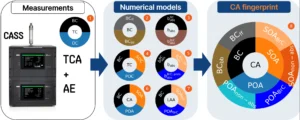
HOW CASS PROVIDES A COMPLETE CARBONACEOUS AEROSOL FINGERPRINT?

The CASS system combines high-resolution measurements of total carbon (TC) and black carbon (BC) to derive organic carbon (OC) and distinguish between fossil fuel and biomass burning sources using the Aethalometer model. Spectrally resolved optical absorption allows separation of brown carbon (BrC) from BC, and further modeling differentiates BrC into primary and secondary components. The BC tracer method is applied to split OC into primary and secondary fractions, supported by site-specific OC/BC ratios. These carbon fractions are converted into organic aerosol (OA) mass using OA/OC ratios, and BrC mass is estimated using wavelength-dependent absorption and published MAC values. Finally, the difference between total OA and light-absorbing OA reveals the non-light-absorbing fraction, completing the aerosol fingerprint.

HOW DOES CASS ACHIEVE REAL-TIME, HIGH-TIME-RESOLUTION MEASUREMENTS?

CASS delivers online measurements with a time resolution of 10 minutes (and up to 24 hours) by combining continuous thermal analysis of total carbon with real‑time optical measurements of black carbon. This enables users to capture rapid changes in emissions and air quality events as they happen.

DOES CASS REQUIRE SPECIAL GASES, GLASS COMPONENTS, OR INTENSIVE OPERATOR ATTENTION?

No. CASS was specifically designed to overcome key limitations of traditional OC/EC instruments, which typically require frequent operator attention, specialized gases, fragile quartz components, and complex handling. CASS operates without special gases, catalysts, or proprietary quartz glass, using ambient air as the carrier gas at very low flow rates. Its stainless‑steel analytical chambers and fully automated operation significantly reduce routine intervention, making long‑term, unattended monitoring and research more reliable and cost‑effective.

WHAT LEVEL OF MAINTENANCE DOES CASS REQUIRE?

CASS is designed for low maintenance, long term operation. Automated procedures, extended filter life, robust construction, advanced diagnostics and remote access reduce downtime and make the system suitable for unattended monitoring in challenging environments.

IS CASS SUITABLE FOR FIELD DEPLOYMENTS AND REMOTE STATIONS?

Yes. CASS supports flexible deployment, including stationary monitoring stations and field campaigns. Its compact, modular design and compatibility with existing inlets enable easy integration into diverse monitoring environments.

WHO TYPICALLY USES CASS?

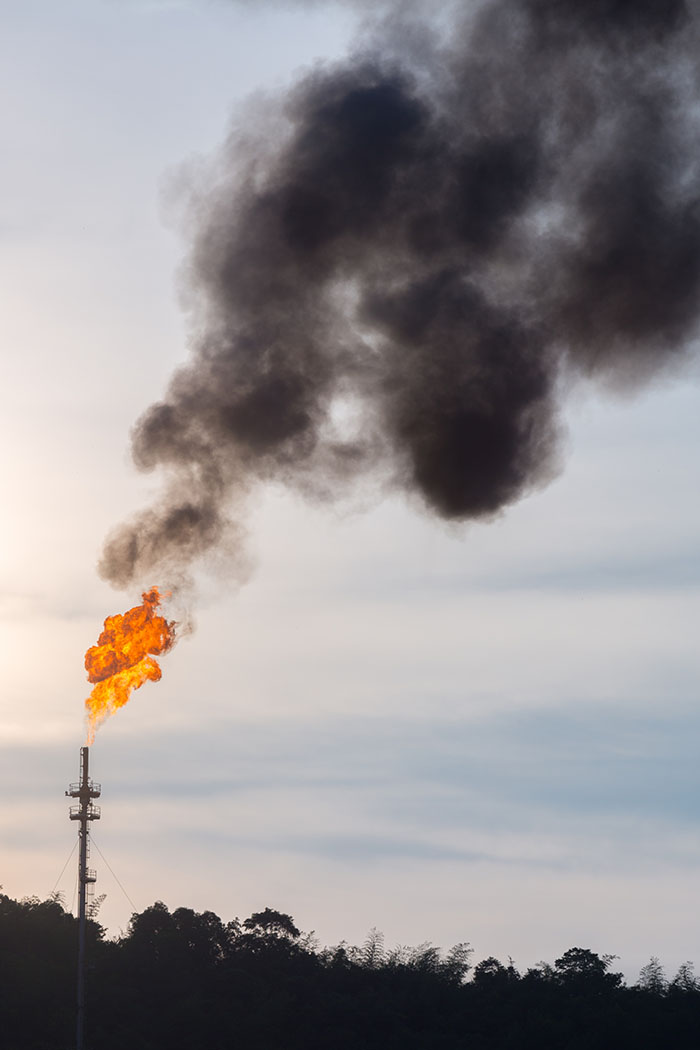
CASS is used by research institutions, environmental agencies, and expert users across a wide range of applications, including ambient and urban air quality monitoring, emission source characterization, exhaust and stack emission measurements, and controlled laboratory or chamber experiments. It supports advanced studies of fossil fuel combustion, biomass burning, wildfire smoke, traffic and industrial emissions, as well as long‑term monitoring for air quality, climate, and health‑related research.

More questions?

Please check Aethalometer AE36 or AE36s and Total Carbon Analyzer TCA09 for more information.

HEADQUARTERS

Aerosol d.o.o.
Kamniška 39A
1000 Ljubljana
Slovenia, Europe
+386 1 4391 700

USA Office

Aerosol USA Corp.
10157 SW Barbur Blvd Suite 100C
Portland, OR 97219 USA
+1 510 646 1600