NEW

TOTAL CARBON ANALYZER TCA09

TCA09
Setting the Standard for Total Carbon Measurement

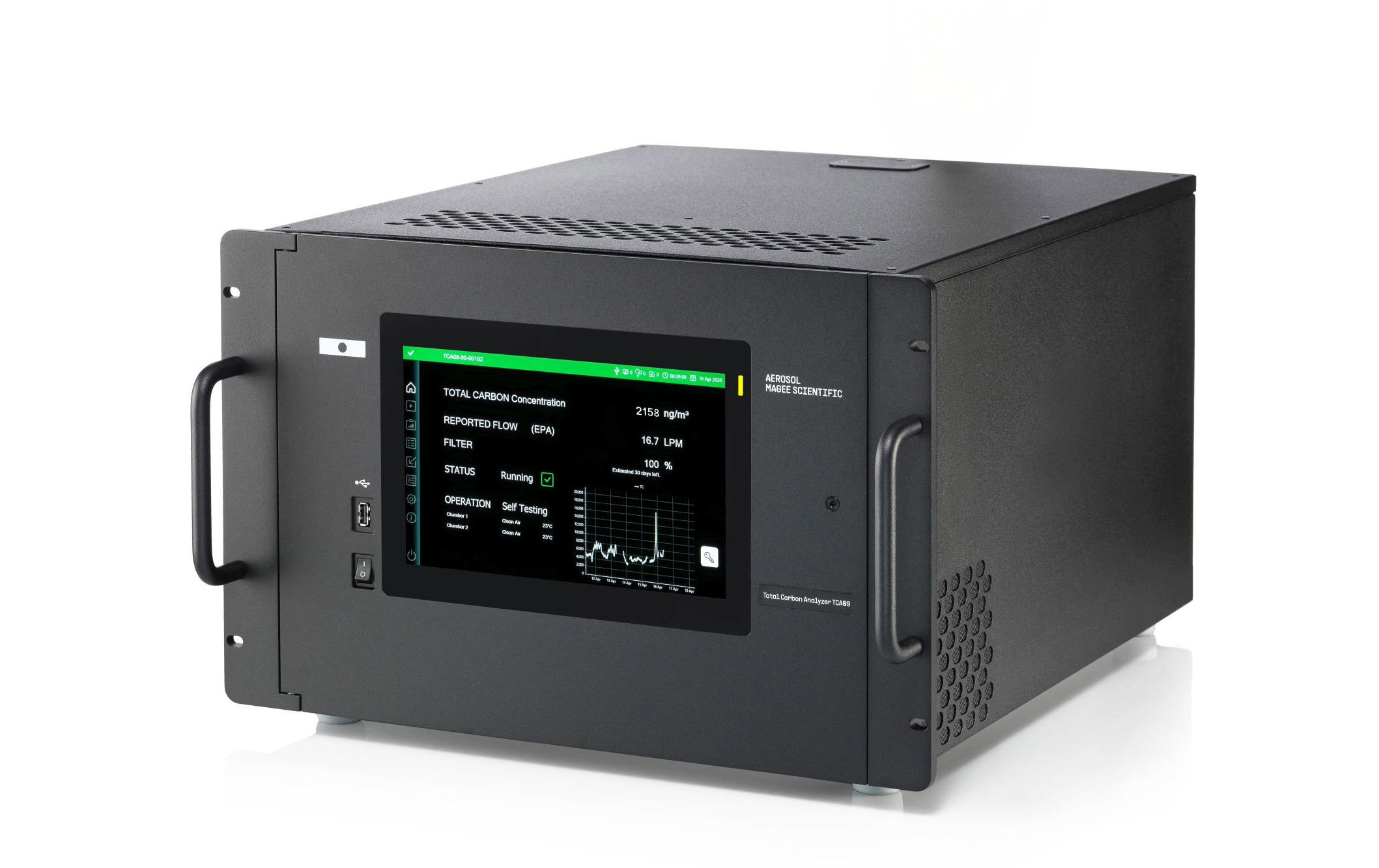
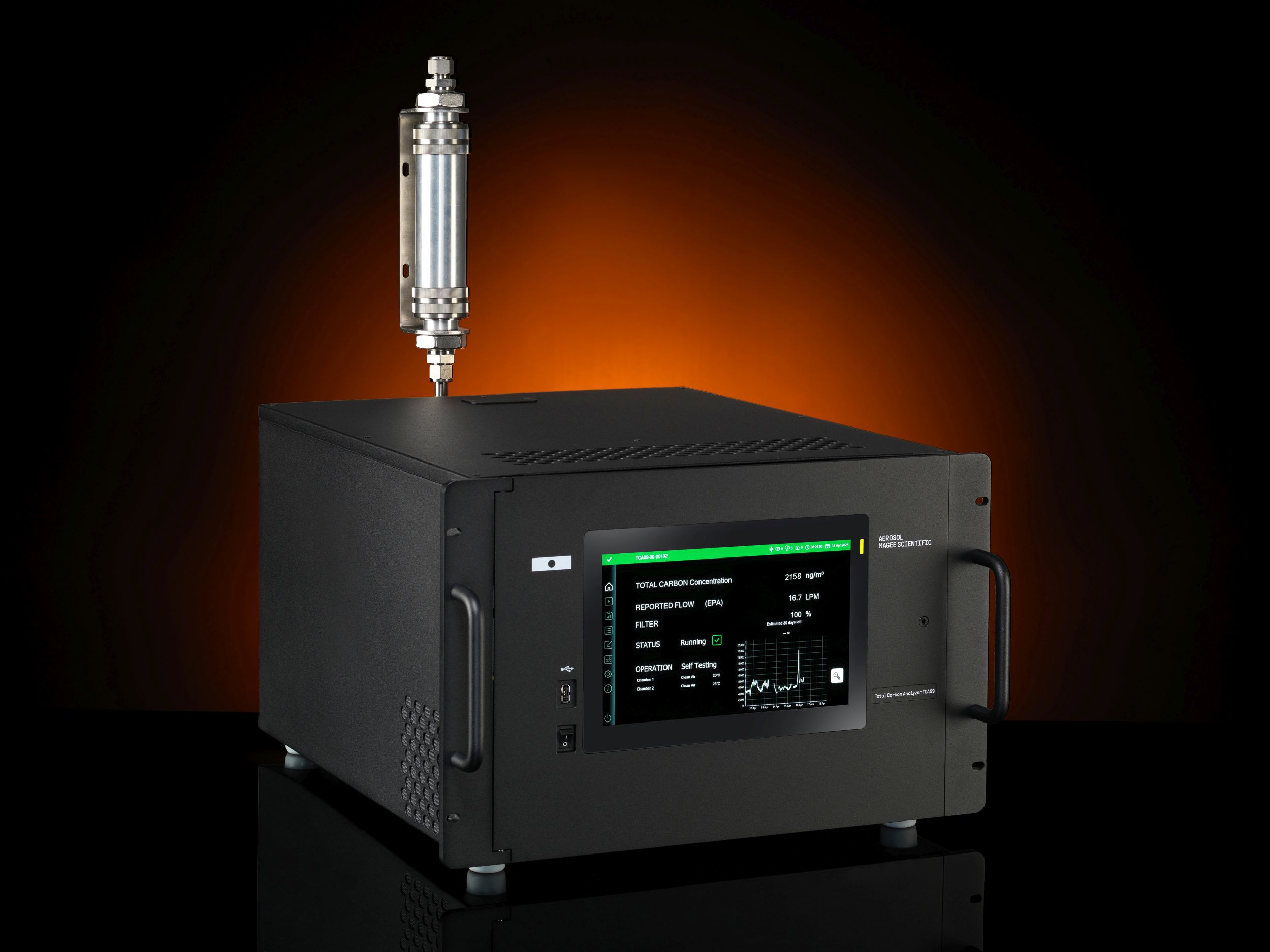
The Total Carbon Analyzer TCA09 is an online instrument for total carbon measurements. Its rugged design supports long‑term, unattended operation in demanding monitoring environments. TCA09 applies an equivalent OC/EC measurement method according to CEN/TR 18076. Calibration of the total carbon constant using sucrose follows EN 16909 procedures.

TO MEASURE IS TO KNOW

OPERATIONAL EFFICIENCY & SIMPLICITY:

  • Simplified installation
  • Easy to use
  • Automated QA/QC procedures
  • Requires minimal resources
  • No gas, no glass, no compromise

DATA INTEGRITY & SYSTEM INTEGRATION 

  • Flexible calibration and compliance
  • Data validation and connectivity
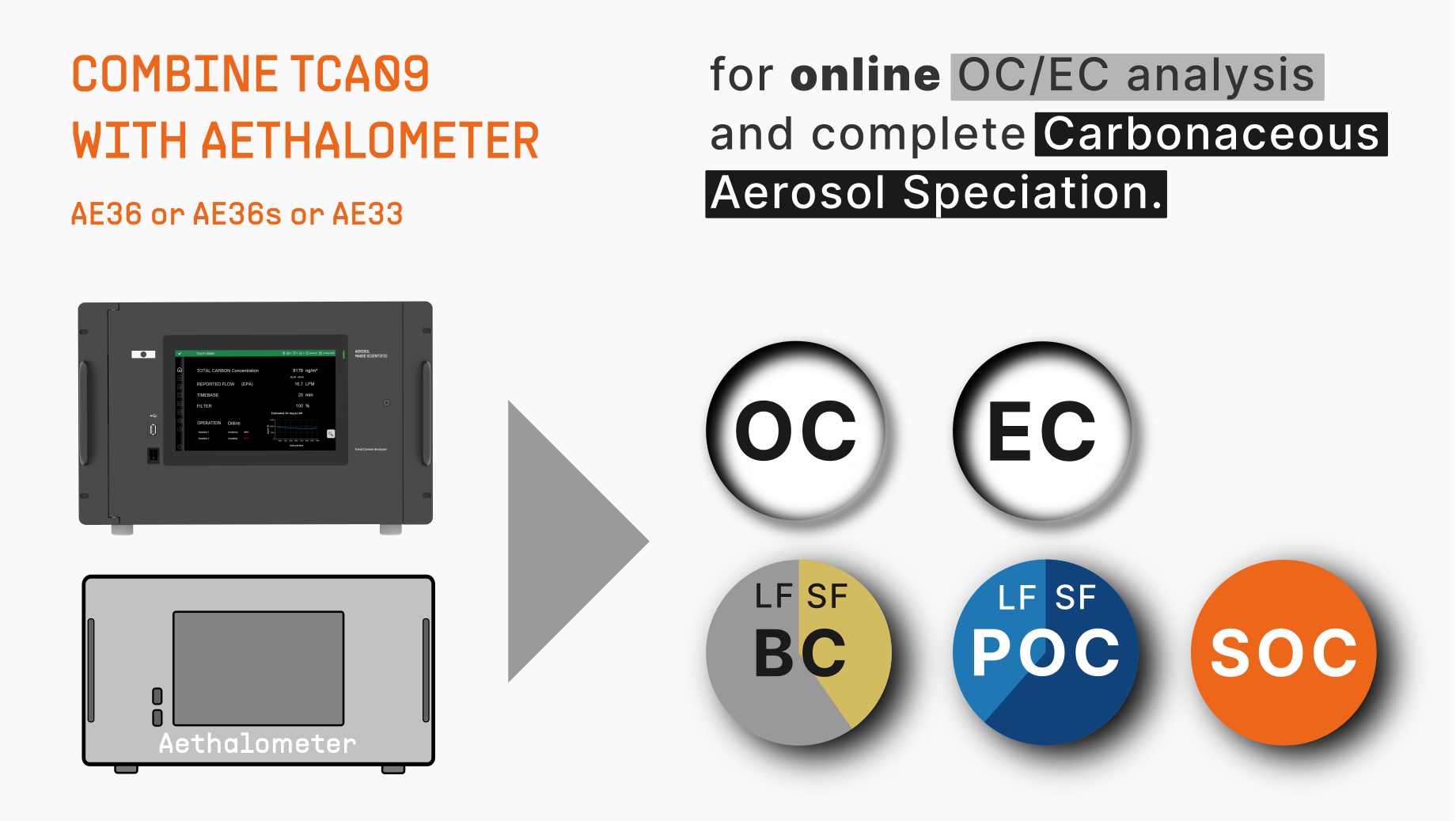
  • Integrates with Aethalometer for online OC/EC analysis and carbonaceous aerosol fingerprint
  • Compatibility and flexibility

SAFETY AND PERFORMANCE ASSURANCE

  • Improved safety and security
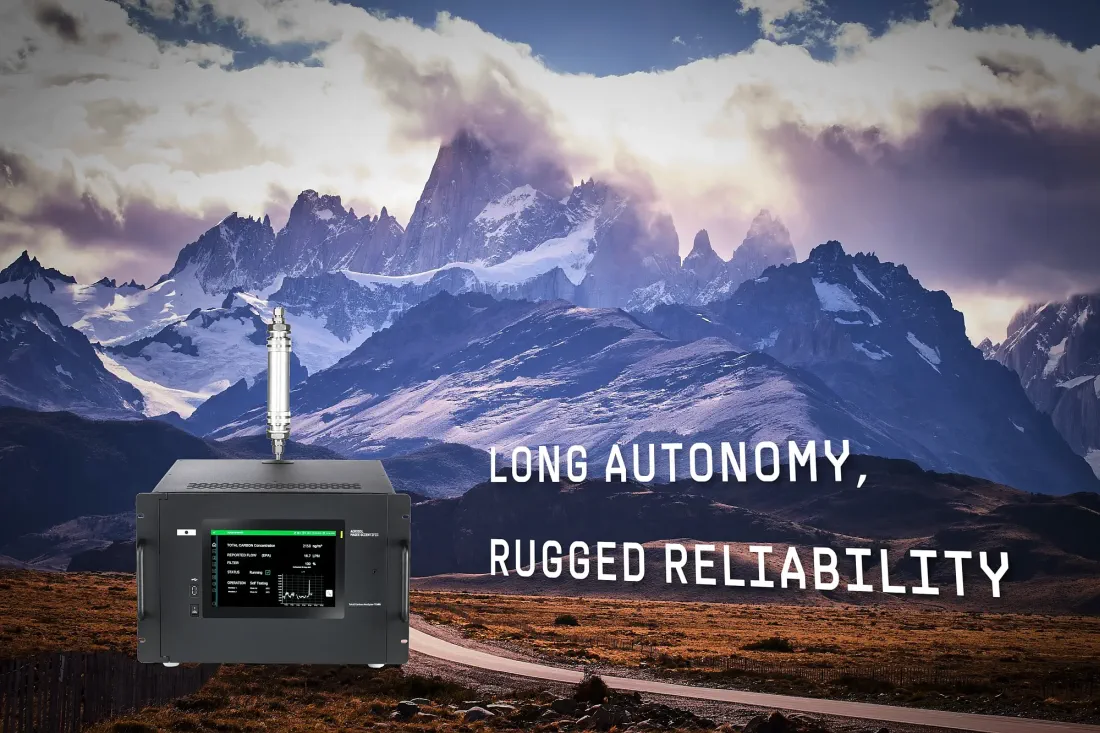
  • Long autonomy


HOW IT WORKS?

The Science Behind TCA09

Key features
Measurement principle

Key features

REQUIRES MINIMAL RESOURCES

  • Easy installation, operation and maintenance
  • Rugged, all-steel construction
  • 30-day autonomous operation
  • Uses ambient air as carrier gas

AUTOMATED PROCESSES

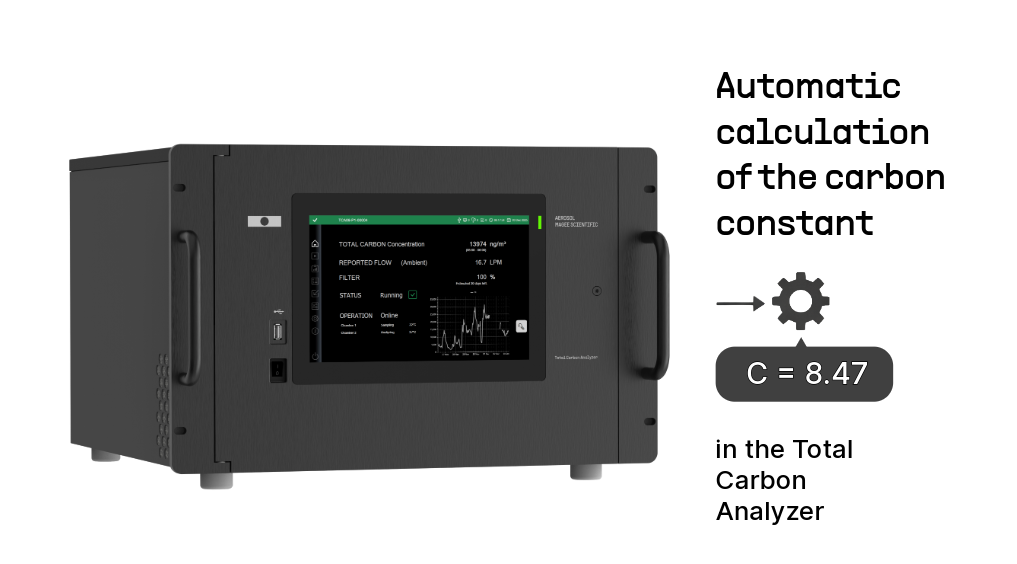
  • Automated carbon constant calculation
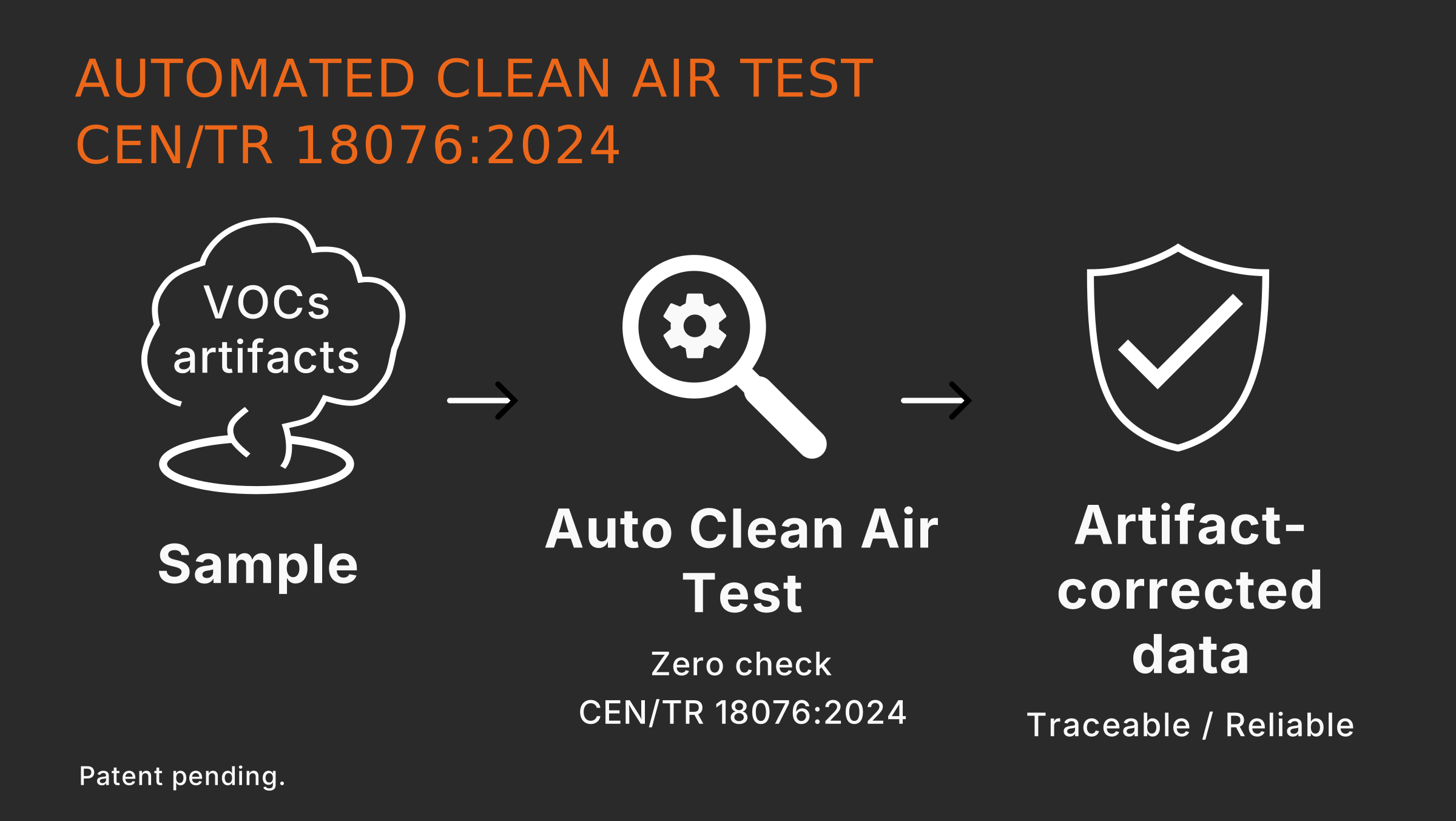
  • Automated clean air test per CEN/TR 18076 (2024)

DATA INTEGRITY

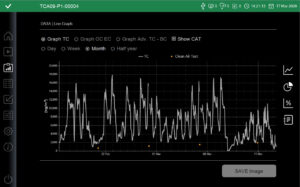
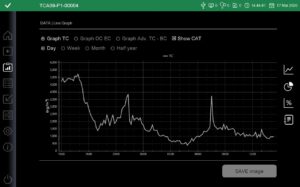
  • High resolution: 10-minute
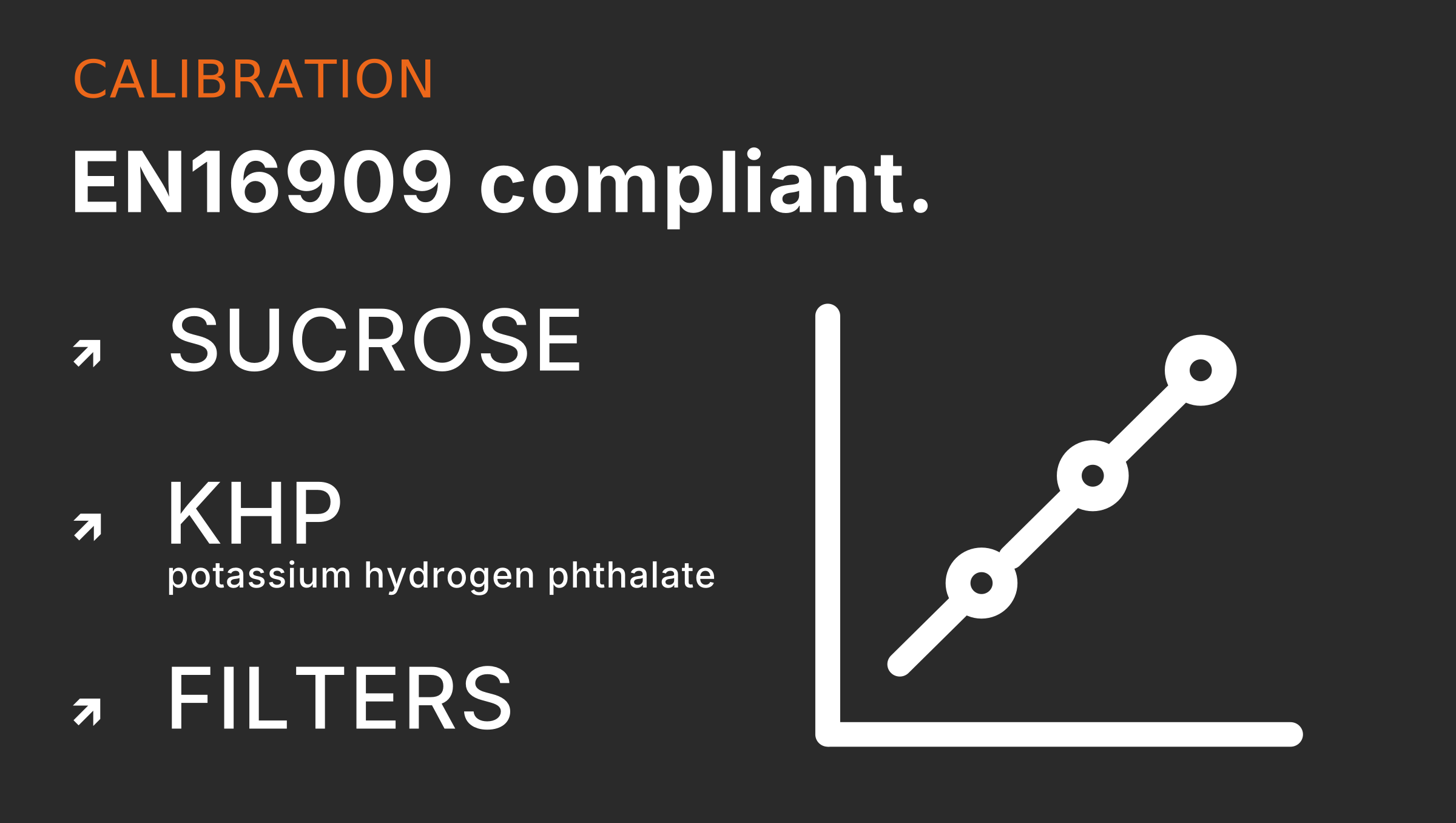
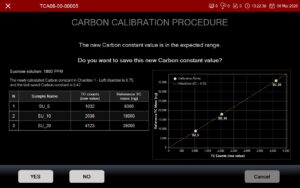
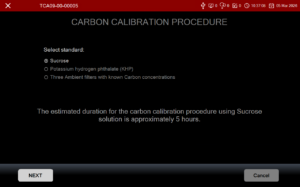
  • Carbon constant calibration with sucrose (EN 16909), KHP, or proprietary filters
  • Remote access and data download via RAS
  • Continuous analysis of total carbon

FLEXIBILITY

  • Integrates with Aethalometer for OC/EC analysis (See CASS to find out more.)

Measurement principle

Aerosol sampling

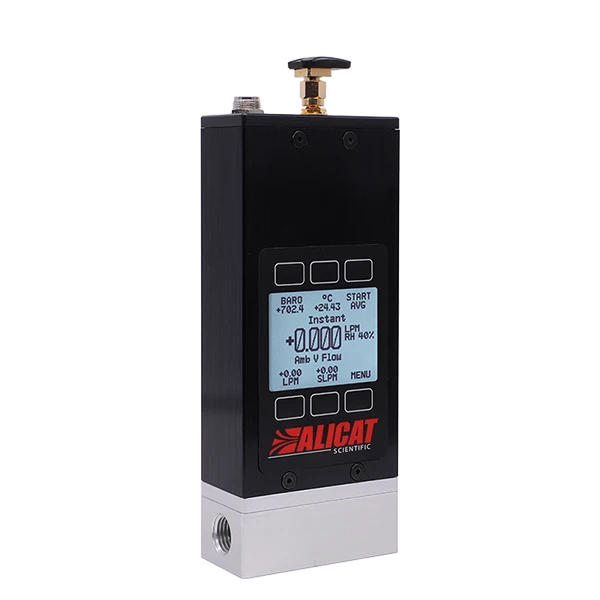
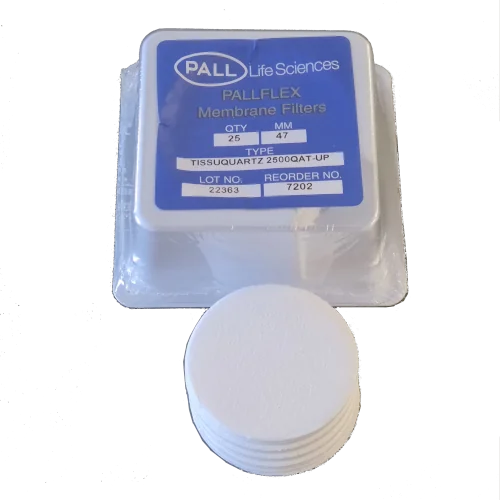
Atmospheric aerosols are collected on a quartz fiber filter inside a stainless‑steel chamber at a controlled flow rate of 16.7 L/min.

The default sampling time is 60 minutes, adjustable from 10 minutes to 24 hours depending on ambient aerosol concentrations.

Continuous dual‑channel operation

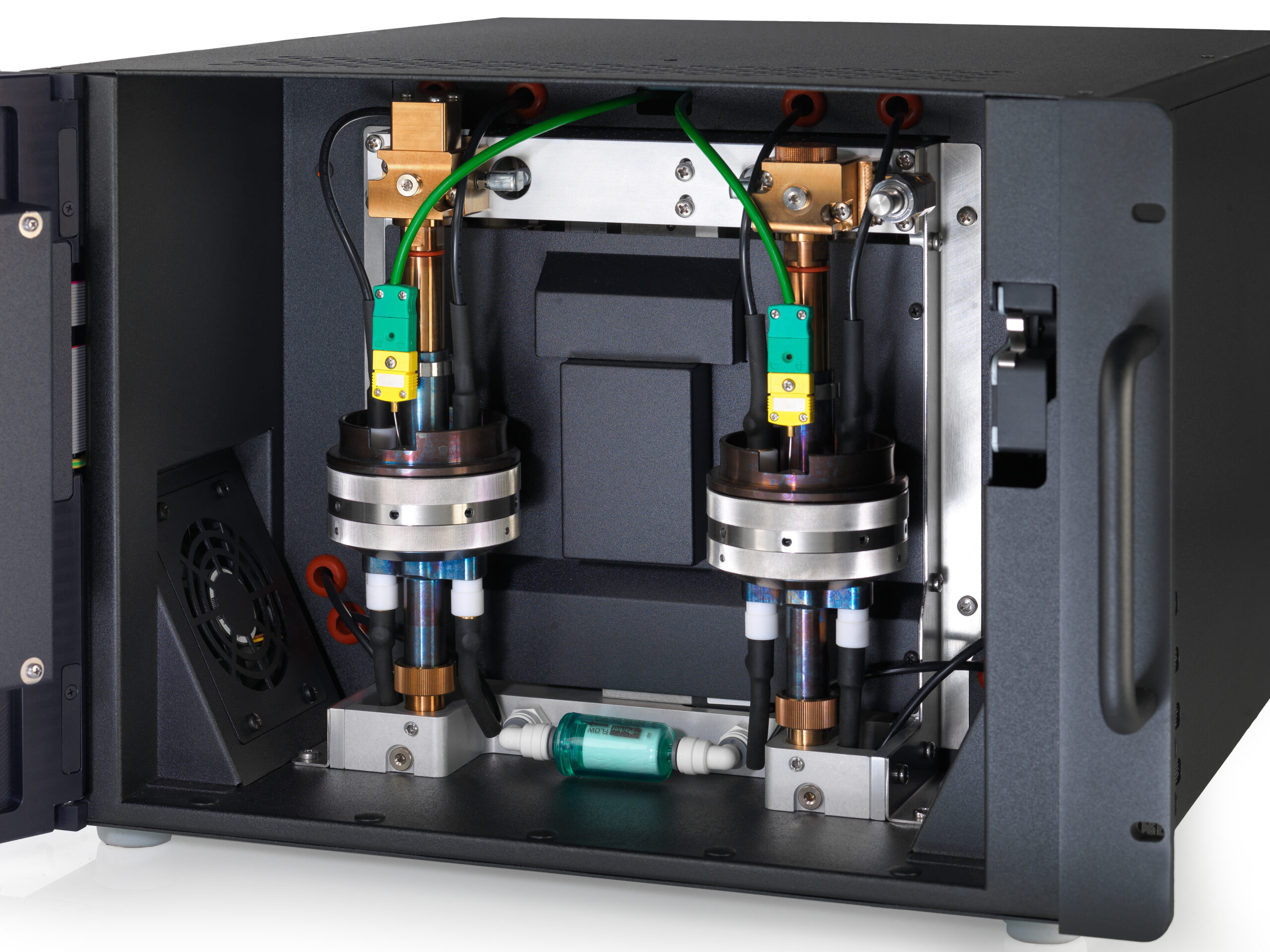
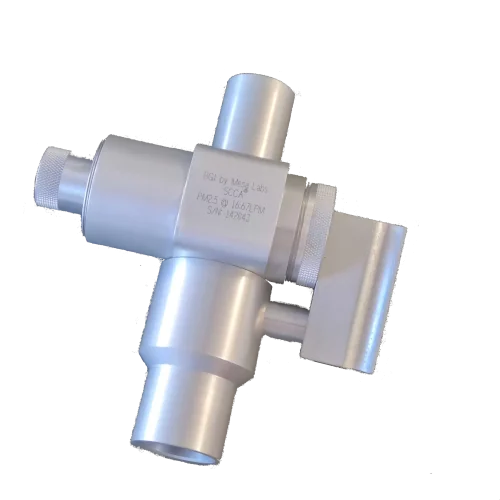
The instrument uses two identical parallel channels. While one channel collects a new sample, the other analyzes the previously collected sample. Airflows are regulated by improved ball valves and solenoid system, which switch automatically at the end of each time base.

Thermal conversion

After sampling, the filter is flash‑heated(1) in a small analytical flow of filtered ambient air. All carbonaceous compounds are converted to CO₂, producing a short, high‑amplitude CO₂ pulse.

Total Carbon calculation

CO₂ is measured using an NDIR CO₂ detector. Background CO₂ levels are determined before and after the heating cycle to establish a baseline.

The CO₂ signal above the baseline is integrated to determine the Total Carbon (TC) content of the sample.

Cooling and channel switching

After analysis, the combustion chamber and heating elements are cooled. The channels then switch roles, enabling continuous measurement and uninterrupted data output.


(1) The heating chamber is covered by patents EP3832302, US2021164950 and other.


TOTAL CARBON ANALYZER TCA09

PRODUCT INFO

Information
Specifications
Documents
Publications
Accessories
TOTAL CARBON ANALYZER TCA09

APPLICATIONS

Mine ventilation optimization

Mine ventilation optimization

Learn how black carbon monitoring supports ventilation efficiency and cost savings in deep underground mining operations.
FIND OUT MORE

Urban maps of black carbon pollution

Urban maps of black carbon pollution

Compare personal black carbon exposure across transport modes and routes using mobile mapping in urban environments.
FIND OUT MORE

Global black carbon pollution

Global black carbon pollution

See how ultra-light aircraft measured black carbon globally to assess hotspots and long-range transport patterns.
FIND OUT MORE

Forest fire black carbon pollution

Forest fire black carbon pollution

Understand the emission factors and atmospheric impacts of biomass burning through both airborne and background measurements.
FIND OUT MORE

Marine vessel black carbon pollution

Marine vessel black carbon pollution

Uncover how ship emissions affect port air quality and how emission factors guide pollution control strategies.
FIND OUT MORE

Vertical profile of black carbon pollution

Vertical profile of black carbon pollution

Capture vertical profiles of black carbon to assess its role in radiative forcing and long-range transport in the atmosphere.
FIND OUT MORE

Vehicle emission factors

Vehicle emission factors

Compare stationary and mobile measurements of black carbon emission factors for real-world traffic pollution analysis.
FIND OUT MORE

Fossil fuel vs. biomass burning black carbon

Fossil fuel vs. biomass burning black carbon

Distinguish between fossil fuel and biomass burning sources of black carbon in urban and regional air quality studies.
FIND OUT MORE

Studies of carbonaceous aerosols with CASS and ACSM

Studies of carbonaceous aerosols with CASS and ACSM

Reveal detailed OM/OC and TC/EC/BC insights in real time by combining CASS and ACSM instruments.
FIND OUT MORE

Real-time wildfire smoke monitoring

Real-time wildfire smoke monitoring

Track real-time black and brown carbon from wildfires with the portable AE43 for emergency response and public health protection.
FIND OUT MORE

Off-grid black carbon monitoring

Off-grid black carbon monitoring

Monitor black carbon in remote locations with the solar-powered AE43, offering continuous data even without grid power.
FIND OUT MORE

Mobile measurement of black carbon

Mobile measurement of black carbon

Map black and brown carbon pollution on the move with the AE43 – ideal for urban, rural, or emergency air quality assessments.
FIND OUT MORE

EC/OC- photo-ms ambient aerosol filter pad analyzer

EC/OC- photo-ms ambient aerosol filter pad analyzer

Analyze quartz fiber filters with combined EC/OC carbon analysis and molecular-level speciation using photo-ionization TOF-MS.
FIND OUT MORE

Advanced apportionment of carbonaceous aerosols

Advanced apportionment of carbonaceous aerosols

The advanced TC/BC(l) method can be used to study the influence of anthropogenic processes.
FIND OUT MORE

Airport black carbon emissions and their impact on nearby communities

Airport black carbon emissions and their impact on nearby communities

Airports, with their high traffic of jet engines and ground support equipment, are significant sources of black carbon emissions.
FIND OUT MORE

Black carbon health effects studies

Black carbon health effects studies

BC is a harmful pollutant with significant adverse effects on human health. The Aethalometer is a valuable tool in monitoring black carbon levels and aiding in health-related research.
FIND OUT MORE

FAQ

HOW DO YOU HEAT UP THE SAMPLE?

We are using two heating modules with heating wires below and above the filter. In this way, we can rapidly heat the filter to 900 °C.

WHY TWO HEATING MODULES?

To get the combustion process as efficient as possible, we developed a two-stage heating thermal protocol. Firstly, the lower heater is turned on (analytic flow stream goes in an up-down direction), which is rapidly heated up to 900 °C. In that way, we are sure that all the OC vapors passing the lower heater are converted to CO2. After the lower heater reaches the temperature of 900 °C the upper heater is turned on, so everything on the filter is really combusted.

WHY TWO IDENTICAL CHAMBERS?

These are used when the instrument is measuring online. When for example, when left chamber (CH1) is sampling particulate matter (PM) on the filter, the right chamber (CH2) performs analysis of previously collected PM. After the end of the sampling timebase, the flows are switched. Now, CH1 is analyzing previously collected PM, CH2 is sampling new material. With that, TCA09 measures almost with zero dead time.

HAVE YOU DONE INTERCOMPARISONS WITH ‘CONVENTIONAL’ EC/OC ANALYZERS?

Yes, we have done numerous side-by-side inter-comparisons with conventional EC/OC analyzers: both for semi-continuous sampling of ambient air, as well as for the off-line analysis of filter samples. In all cases, the TCA09 gave excellent agreement with the TC analysis by other methods; and its combination with the AE33 Aethalometer gave excellent agreement of the TC – BC method with conventional EC/OC analysis.

WHICH MATERIALS CAN BE USED FOR CALIBRATION?

The TCA09 supports three different calibration materials, providing high flexibility to match your laboratory setup and applicable standards:

  • Sucrose – compliant with EN 16909, commonly used for regulatory and standardised total carbon calibration.
  • KHP (Potassium Hydrogen Phthalate) – a widely accepted reference compound.
  • Filter samples – real-world filter samples with a known total carbon concentration, allowing verification and calibration using real sample matrices as part of routine QA/QC.

This flexibility allows users to choose the calibration approach that best fits their standards, sample type, and workflow.

HOW IS THE CARBON CONSTANT CALCULATED?

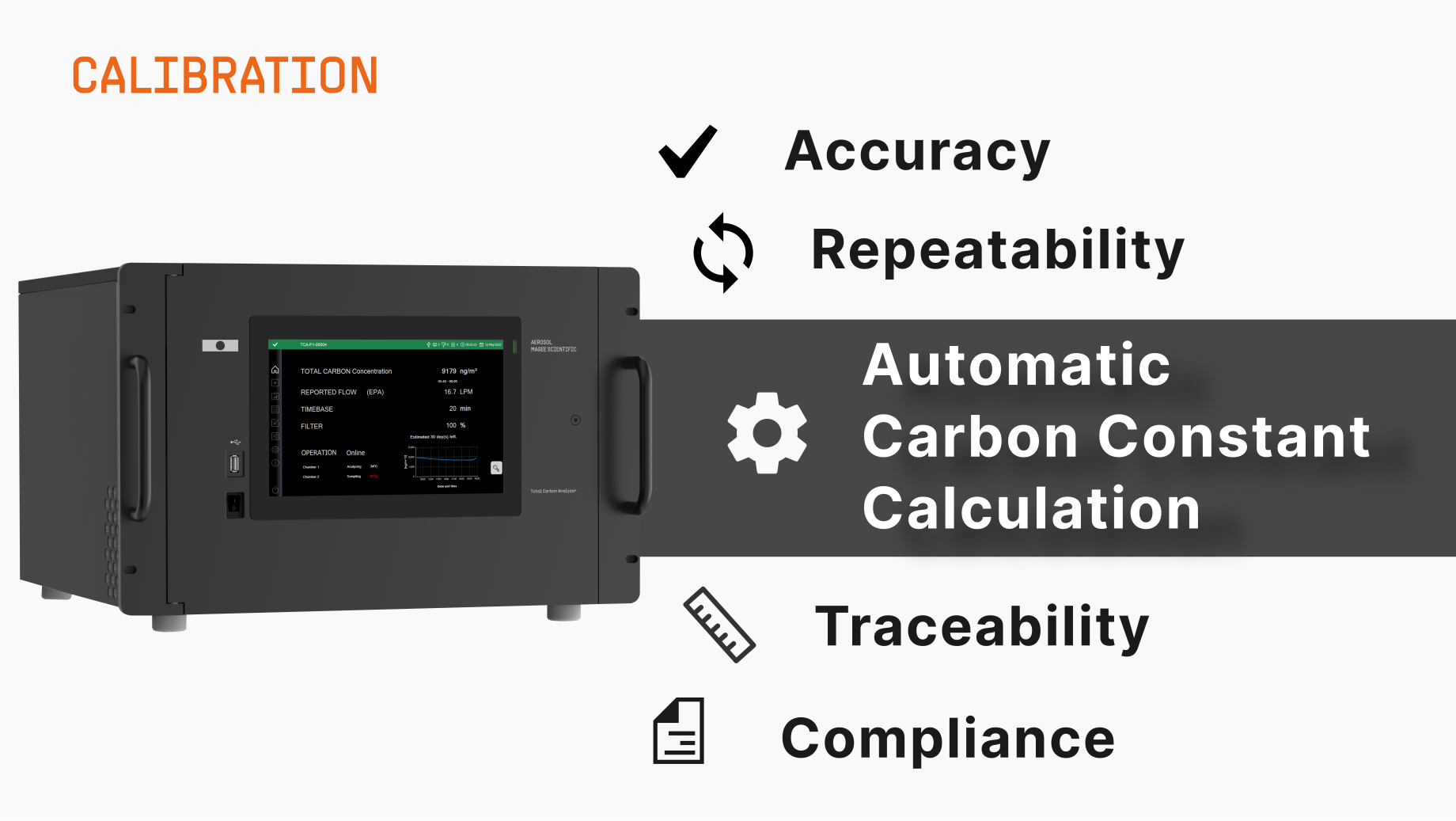
The TCA09 automatically calculates the carbon constant during calibration, ensuring traceable, consistent results while minimising operator error.

HOW ARE ARTEFACTS, LIKE VOCs, ADDRESSED?

The Total Carbon Analyzer uses the denuder to remove gas‑phase organics upstream of the filter to reduce positive artefacts. In addition, the TCA09 with patented Auto Clean Air Test automatically measures and corrects remaining artefacts, in line with CEN/TR 18076 (2024), ensuring traceable, artefact‑corrected total carbon results.

HOW IS CORRECT DENUDER PERFORMANCE VERIFIED?

Proper denuder operation is verified using the built‑in Clean Air Test, a dedicated QA/QC procedure that confirms whether the denuder cartridge is still effective or needs replacement. The TCA09 can also perform this test automatically at defined intervals (e.g. weekly or monthly), alerting the user only when corrective action is required, thereby ensuring continuous artefact control with minimal operator involvement.

WHAT DOES 30-DAY AUTONOMOUS OPERATION MEAN IN PRACTICE?

TCA09 is designed for up to 30 days of unattended operation under typical ambient conditions, thanks to long‑life filters and fully automated operation. This is far longer than many comparable instruments requiring frequent filter changes and supervision.

WHAT TYPE OF TUBING IS USED FOR SAMPLE LINES?

The TCA09 uses standard Swagelok® stainless‑steel tubing and connectors, ensuring reliable sampling, easy installation, and globally available spare parts.

HEADQUARTERS

Aerosol d.o.o.
Kamniška 39A
1000 Ljubljana
Slovenia, Europe
+386 1 4391 700

USA Office

Aerosol USA Corp.
10157 SW Barbur Blvd Suite 100C
Portland, OR 97219 USA
+1 510 646 1600